
Grammy-Award Finalist Topher Keene is widely regarded as one of America’s top Acting, Singing, and Public Speaking Coaches.
From teaching kids to sing their first solo, to helping Film and Television Stars perfect their roles, to helping pro Vocalists record hit albums, to helping YouTubers and Podcasters refine their vocal skills, to helping CEOs and Executives improve communication and presentation skills, Topher Keene can help anyone develop a powerful and confident voice and improve their performance skills.
Lean Into the Cringe: How to Record a Voice Acting Demo That Actually Lands
Here's the secret of voice acting that nobody is going to put on a billboard for you: the moments that make you cringe are usually the moments that book the job.

Voice Acting Auditions: Why "Big" Doesn't Mean What You Think, and Why You Need to Submit More Than You Think
Voice actors who are early in your audition submission practice — anywhere from your first hundred auditions to your first thousand — there are two mistakes I see almost every developing voice actor make, and they're killing your progress in ways you probably don't see yet.

Stop Perfecting Your Characters: Why Flawless Performances Are Forgettable
The thing making your performances forgettable is probably how good they are.
Not good as in compelling. Good as in clean. Polished. Controlled. Every line delivered with precision. Every emotional beat hit right on cue. Every moment of the performance functioning exactly as designed.
That's the problem. You've gotten so focused on doing it right that you've squeezed all the humanity out of it.

Stop Playing One Emotion Per Scene: How to Color-Code Your Script and Deliver a Performance That Actually Lands
The actors who book work and hold attention on stage are the ones who understand that every scene is a cocktail of competing emotions, and the magic happens in the transitions between them. Here's the framework I use with my students to break that pattern.

Building a Home Voiceover Studio: The Three Pillars of Recording Quality
Sooner or later in your voiceover journey, you reach the moment of truth. You sit down in front of a microphone, hit record, and have to deliver. What you produce in that moment depends less on the gear than on something most beginners get wrong: the recording environment itself.
Here's the principle that matters more than any other when setting up your home studio: what your recording space looks like is irrelevant. What matters is how it sounds.

Trust Your First Instinct: Why Second-Guessing Sabotages Voice Acting Auditions
A specific moment happens in nearly every voice actor's development. You're recording an audition. You do three takes. Your gut tells you the third take is your strongest. Then you start questioning. Maybe the first take was actually better. Maybe the second one had something the third lacked. Maybe you should rearrange them so the second take leads.

Building Anime Character Voices: Vocal Fry, Compression, and Multiple-Take Strategies
Anime voice acting has its own technical vocabulary that doesn't always translate from general voice acting training. The vocal qualities that make anime characters sound distinctly anime, the heightened emotional intensity, the specific archetypes, the particular techniques that produce iconic character voices, all of this requires its own focused study.

Vocal Compression and Expansion: How to Build Distinctive Character Voices Without Damaging Your Instrument
Voice actors building character voice range run into a specific technical challenge: how do you produce significantly different voices without straining your throat?
The instinct for many developing voice actors is to physically squeeze, clamp, or constrict their throat to produce different sounds. A higher pitch gets achieved by tightening. A character voice gets achieved by gripping. The result might sound somewhat like the target character, but it produces strain, fatigue, and potentially long-term damage to the voice.

Demo Reel vs. Showreel: Building the Right Career Materials for Voice Acting
In American voice acting industry usage, a demo reel is a curated collection of performances designed to showcase what you can do. It's typically composed of original recordings, often produced specifically for the demo, presenting you in your best light across various character types or commercial styles. Casting directors and agents use demo reels to evaluate potential collaborators.
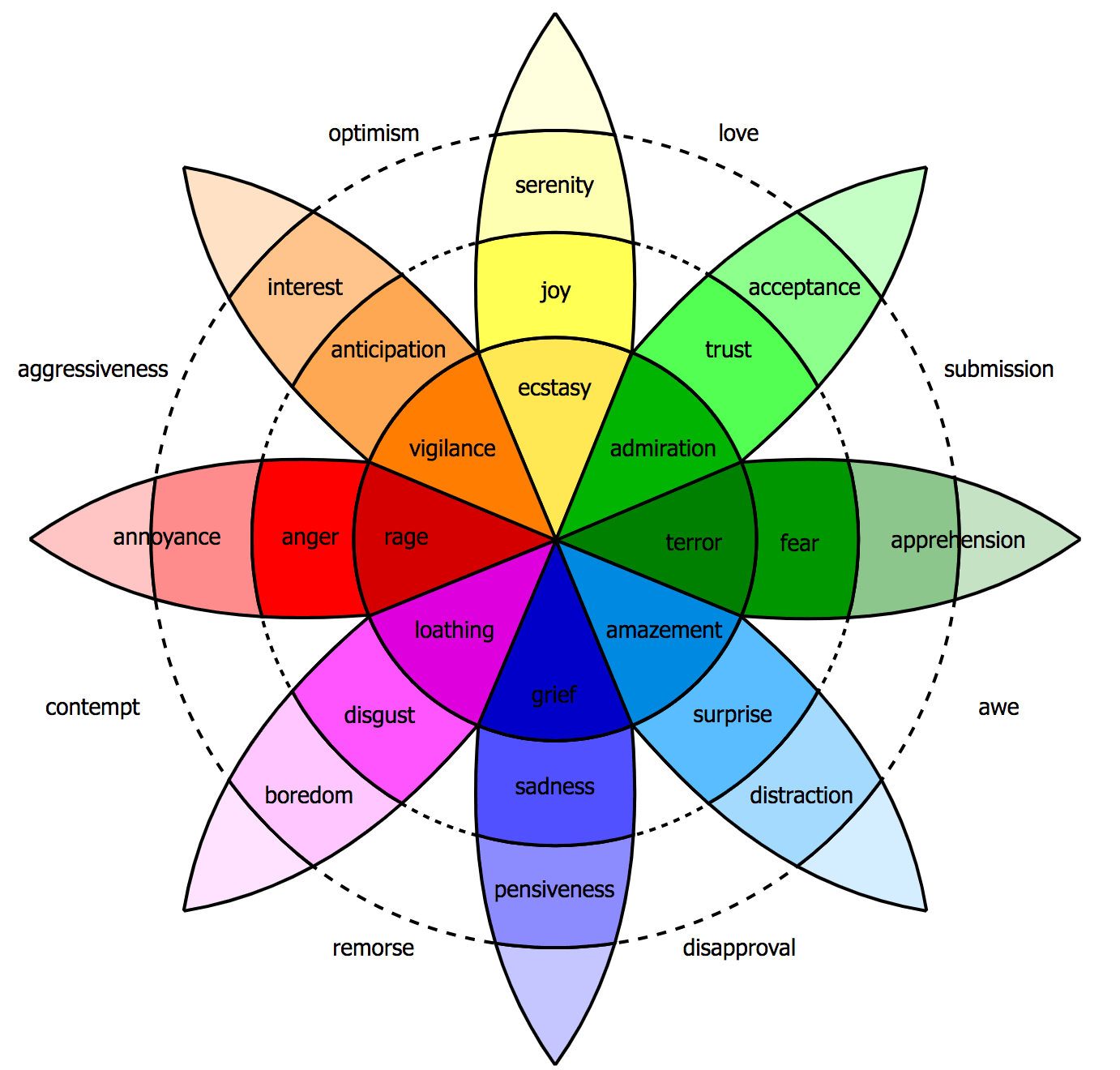
The Color Wheel Method: How to Add Emotional Depth to Voice Acting Performances
Most voice acting performances by developing actors share a common weakness: they hit one emotional note and stay there. The villain monologue is just angry. The vulnerable scene is just sad. The triumphant moment is just happy. Whatever the dominant emotion of the scene, the performer locks onto it and delivers a single-color version of the entire piece.

How to Make a Self-Made Voice Acting Demo Reel: The Complete Recording Process
Today I want to walk through the practical process of recording demo material effectively, whether you're putting together a professional reel or building audition files for submission. This is the nitty-gritty that separates usable recordings from wasted hours of effort.

Ace Your Audition: The Complete Guide to Booking Work in Theater, Film, and Voice Acting
Auditions are strange. You spend months building your skills, refining your craft, and preparing material, and then your entire case for getting cast comes down to a few minutes in a room (or a self-tape sent into the void). It's high pressure, low feedback, and relentlessly ongoing.
Here's the good news: most of what makes the difference between auditions that book and auditions that don't isn't talent. It's preparation, professionalism, and a set of specific habits that most performers never get taught directly. The performers who book consistently aren't usually the most naturally gifted. They're the ones who treat auditioning as its own craft and develop the specific skills that craft requires.

The Three-P Framework for Voice Acting Performance: Pitch, Pace, and Projection
Most voice acting performances that don't book aren't bad in any obvious way. They're not off-pitch. They're not unprofessional. They're not poorly recorded.
They're just flat.
The voice actor walks through the script with consistent tone, consistent volume, consistent rhythm, consistent energy. Everything sits at the same average level for the whole take. And while nothing technically wrong happened, nothing memorable happened either. The casting team listens, nods, and moves on to the next file.
This is the single most common gap I see in developing voice actors, and the good news is that fixing it doesn't require a different voice or more talent. It requires a framework. Today I want to walk you through what I call the Three-P framework: Pitch, Pace, and Projection. Master these three variables and you'll add dimension to every performance you record.

Keeping Your Voice Alive: Vocal Health Tips Every Singer and Actor Should Know
Your voice is the only instrument you can't put down, replace, or take to a repair shop. Everything runs through it, every audition, every session, every performance, every late night rehearsal in a dry studio with recycled air and bad coffee. Most performers wait until something goes wrong to start taking care of it. Don't be that person. Build the habits now, before your voice reminds you the hard way that you've been neglecting it.
Here's everything I've picked up from years in the room with singers and actors who take this seriously.
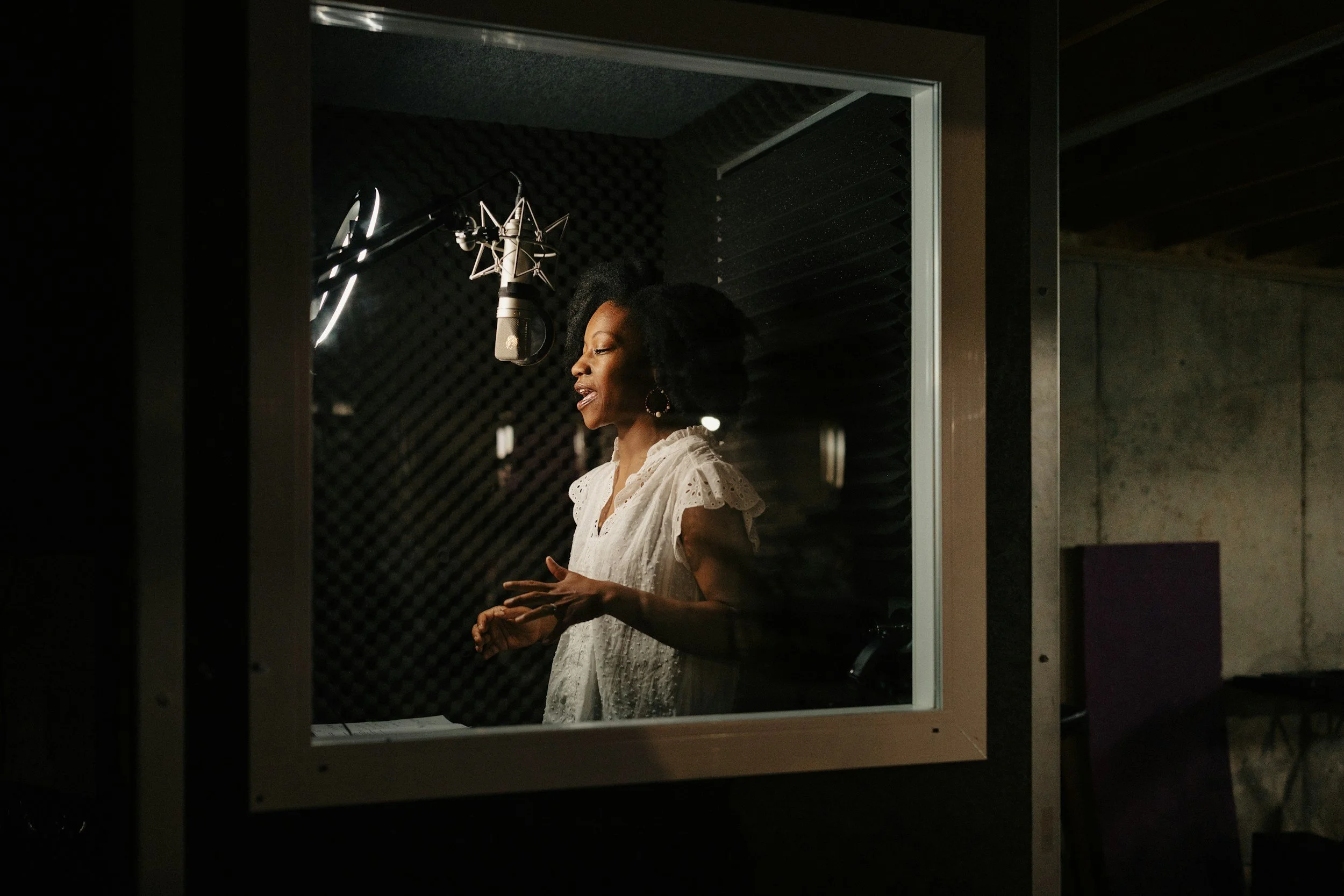
Building a Self-Made Voice Acting Demo Reel to Start Your Voiceover Journey
Here's an uncomfortable truth about voice acting: your demo reel is the single most important calling card you have, and most aspiring voice actors build theirs completely wrong.
They pick characters they love. They record lines that feel fun. They string together takes that showcase their "range" by jumping across wildly different styles in 90 seconds. Then they send it out, hear nothing back, and wonder what went wrong.
The demo reel that actually gets you hired is a strategic document, not a vanity project. It takes months of preparation to build well, and if you're doing it right, you're studying, practicing, and recording in deliberate layers over a long timeline.

The Voice Acting Auditions Roadmap: How to Build a Real Career (Not Just a Reel)
If you've been trying to break into voice acting, you've probably noticed something frustrating: there's no clear path. Singers have conservatories. Actors have showcases and agents. Voice actors? You're mostly figuring it out alone, in a closet, hoping someone notices the demo you spent six months perfecting.
What actually moves the needle when you're trying to build a voiceover career from scratch? This isn't about fancy gear or which microphone the pros use. This is about the workflow, the mindset, and the small technical and creative choices that separate hobbyists from working VO talent.

Active vs. Descriptive Monologues: The Acting Tool That Will Transform Your Auditions
You've spent hours combing through monologue books, scrolling endless websites, and digging into plays trying to find the one. The monologue that finally lets you book the role. And even when you find something you think might work, there's this nagging feeling when you perform it that you're not doing enough. That something's missing. That you're technically delivering the words but not actually living in them.
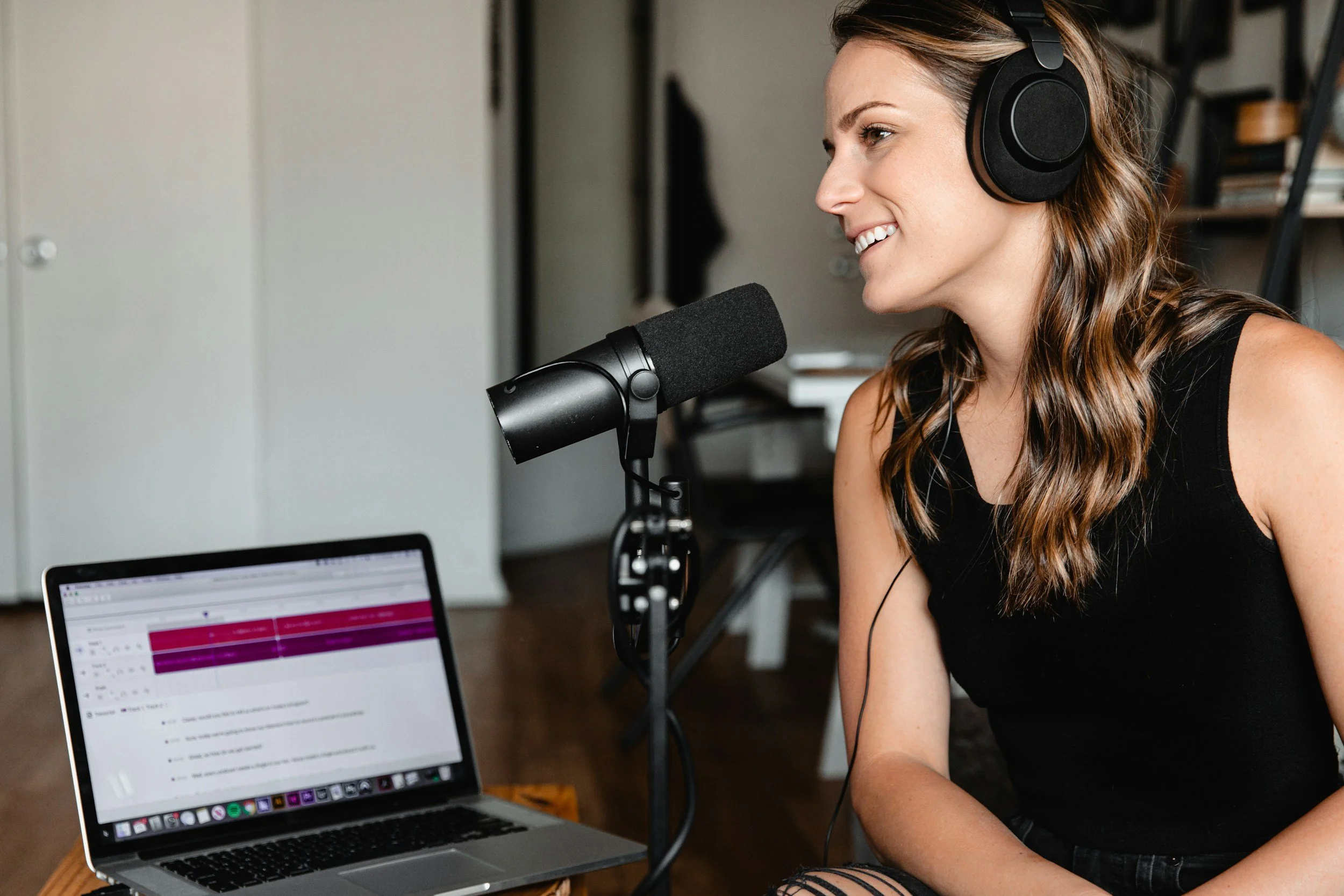
Stop Perfecting, Start Submitting: Why Volume Is the Secret to Voice Acting Success
If you're sitting at your home studio agonizing over a single audition for the third hour in a row, I need you to hear something: you're doing it wrong.
I don't say that to be harsh. I say it because I've watched countless voice actors stall out at the starting line, convinced that every audition needs to be a masterpiece before they hit "submit." Meanwhile, the actors who are actually booking work? They're playing a numbers game — and they're winning.
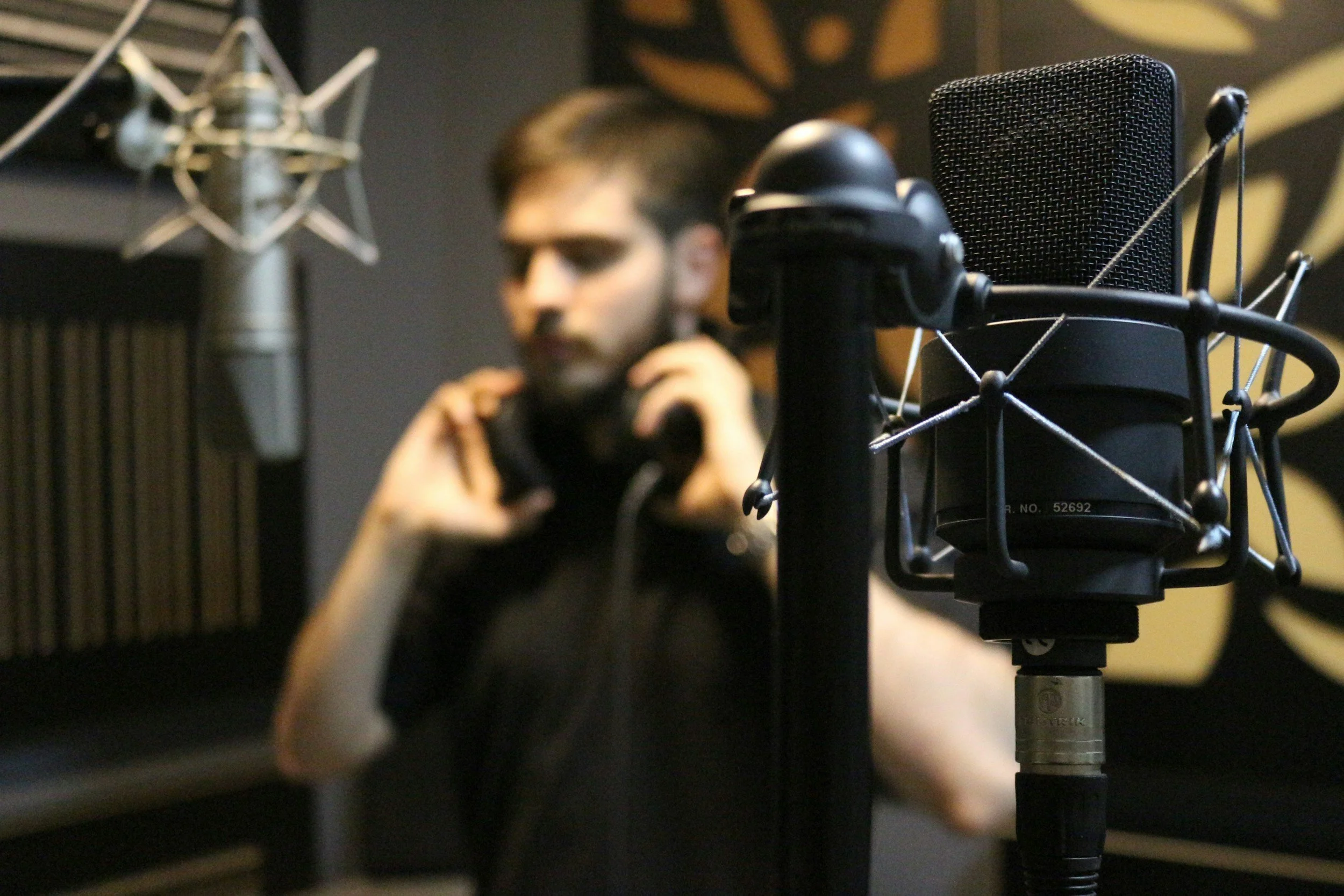
Advice and Timelines for Young People Getting Started as Voice Actors
Are you hoping to get started with Voice Acting as a career but don’t know where to begin?
Classes, Lessons, Coaching, YouTube Videos, Books, Online Courses, etc. can all be wonderfully helpful to beginners, but what do you expect when it comes to making money, quitting your job, and becoming a full-time Voice Actor for animation, films, TV, and video games?
The following path is what most of my students go through. Even the established married older adults go through something like this, but young people have a few advantages since they have fewer commitments to worry about in transitioning their careers.
Why Your Acting Feels Flat (And How to Add Emotional Color to Every Scene)
You've probably had this experience: you read a scene out loud, you hit all the words, you don't fumble a single line, and then you watch the playback and think... that was so boring.
You weren't bad. You were technically fine. But there was nothing happening underneath the words. No texture. No life. Just a person reading a script accurately.
This is the single most common plateau actors hit, especially in early training. The good news is it's not a talent problem. It's a toolkit problem. You haven't been given the specific techniques for adding emotional dimension to a performance. So today, I want to walk you through the frameworks I use with students who are stuck in monotone delivery and want to break out of it.