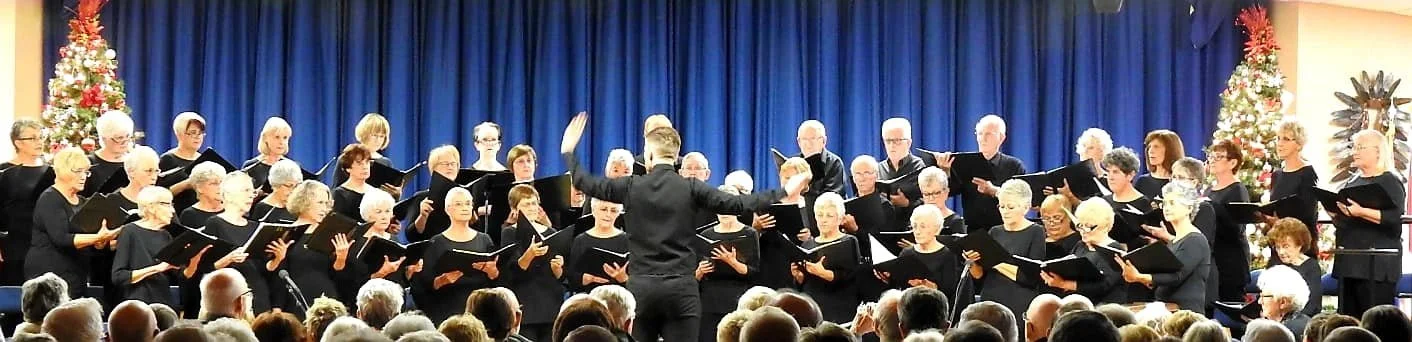
Grammy-Award Finalist Topher Keene is widely regarded as one of America’s top Acting, Singing, and Public Speaking Coaches.
From teaching kids to sing their first solo, to helping Film and Television Stars perfect their roles, to helping pro Vocalists record hit albums, to helping YouTubers and Podcasters refine their vocal skills, to helping CEOs and Executives improve communication and presentation skills, Topher Keene can help anyone develop a powerful and confident voice and improve their performance skills.
The Three-Part Speech Structure: The Frame Every Great Talk Uses
Structure is the difference between a talk you remember and a talk you forget. And the structural principles behind the great talks you can call to mind — the keynotes, the TED talks, the toasts — are remarkably consistent across speakers, eras, and genres. Nancy Duarte spent years analyzing famous speeches, from Martin Luther King's "I Have a Dream" to Steve Jobs' iPhone launch, and found that they all use variations on the same core architecture. Aristotle wrote about the same architecture twenty-three centuries ago. The principles haven't changed because human attention hasn't changed.
Executive Presence Through Voice: How CEOs and Founders Can Sound More Confident in High-Stakes Meetings
You've done the work. You've built the company, raised the round, hit the numbers, earned your seat. Then you stand up in front of a board, an investor panel, a press camera, or an all-hands, and something happens to your voice that undercuts everything you've earned. It rises in pitch. It gets thinner. It speeds up. The breath shortens. You hear yourself sounding small or tentative, and you can see the room responding to that smallness even when the substance of what you're saying is exactly right.
How to Start a Speech: The First 30 Seconds That Decide Whether Your Audience Listens
This is the single most underappreciated principle in public speaking. Most speakers spend 95 percent of their preparation time on the body of their talk and almost no time on the opening. Then they wonder why their audiences seem disengaged, distracted, or unimpressed by what is actually solid content. The content isn't the problem. The opening lost the room, and the content never had a real chance.
How to Become a Better Public Speaker in 90 Days: A Focused Practice Plan
In 90 days of consistent practice, almost anyone can become a meaningfully better public speaker. Not a TED-level speaker. That takes years. But meaningfully better than they are now, in ways that are visible to others and that compound over time. Here's the plan.
How to Memorize a Speech Without Sounding Memorized
failures look very different on the outside, but they come from the same root problem: the speaker has confused memorization with mastery. Memorization is the surface skill of being able to reproduce a text. Mastery is the deeper skill of knowing the material so completely that you can deliver it in whatever shape the moment calls for. The first one sounds rehearsed. The second one sounds like you're thinking the thoughts in real time, even though you've thought them a hundred times before.
How to Use Your Voice to Sound More Confident at the Podium
Here's something most public speaking books under-emphasize. The reason your favorite speakers sound the way they do — confident, grounded, in command of the room — is not because they were born with great voices. It's because they have, at some point in their lives, learned how to use the voice they have.
Vocal Coaching for Religious Leaders: A Pastor's Guide to Sermon Structure and Delivery
The single biggest mistake I see new preachers make is the same mistake I see new keynote speakers, new comedians, and new sermon-givers make: they speak to the room instead of speaking to a person.
Advanced Vocal Technique for Public Speakers
Most public speakers have technique they're not aware of. They've developed habits across years of speaking — defaulting to a certain pitch, a certain pace, a certain place in their voice — and those habits show up automatically every time they take the stage. For some speakers, the habits are healthy. For most, the habits are silently undermining everything from authority to stamina to long-term vocal health.
Advanced Vocal Technique for Influencers and Content Creators
Content creators have the newest professional vocal load profile in any working voice category. A serious YouTuber, podcaster, TikTok creator, or streamer is recording multiple hours of voice per day, often six or seven days a week, indefinitely. No previous voice profession has carried this kind of sustained daily load with no built-in rest weeks, no off-season, and no union-mandated recovery periods. The voices that survive this load are technically trained; the voices that don't get burnout, nodules, or chronic hoarseness within a few years.
How to Overcome the Fear of Public Speaking
The fear of public speaking — glossophobia, if you want the clinical term — is one of the most widely shared experiences on the planet. According to multiple studies, somewhere between 70 and 75 percent of adults report meaningful anxiety about speaking in front of a group. That's three out of every four people you know. The ones who claim they aren't afraid are usually either very experienced speakers or quietly afraid in a way they don't want to admit.
Slide Deck Mistakes That Are Killing Your Presentations
The good news is that whether you use Powerpoint, Google Slides, or any other software, slide design is fixable. A few specific changes to how you use slides will dramatically improve every presentation you give from this point forward. Here are the mistakes to stop making, and the principles to start applying.
Vocal Coaching for Pastors: Improving Your Sermons with Vocal Technique
Pastors are not casual voice users. Most of you are speaking from a stage for thirty to fifty minutes on a Sunday, leading prayer at additional services, doing pastoral counseling all week, taking phone calls, meeting with leadership teams, teaching small groups in the evenings, and then going home to your family and using your voice some more. By the metrics that matter — hours per week using the instrument at performance volume — you are using your voice harder than most professional singers do. Singers on Broadway do eight shows a week and rest their voices the rest of the day. You don't get that luxury. You're on every day.
Q&A: How to Handle Audience Questions With Grace
Q&A is the part of public speaking where careers are made and broken in real time. The talk you just delivered was rehearsed. The Q&A is improvised. The audience is now testing whether you actually know what you were talking about, whether your composure holds when you don't control the script, and whether the person standing at the podium is the same person who delivered the polished message thirty seconds ago.
Advanced Vocal Technique for Teachers
Teachers have the most demanding vocal workload of any profession. Six hours of active classroom speaking, every weekday, for nine months a year, across thirty-year careers. No working performer puts that kind of cumulative load on their voice. According to NIDCD figures, teachers report voice problems at a rate roughly three times higher than the general workforce — and for many it ends careers.
How to Re-Engage an Audience That Looks Bored
Every speaker who has given more than a handful of presentations has experienced this moment. You're somewhere in the middle of your talk. You look out at the room. And you see it. Phones starting to come out. Eyes drifting toward the back of the room. A few people whispering to each other. The energy that was alive in the first ten minutes has visibly dimmed, and you can feel the audience slipping away in real time.
Advanced Vocal Technique for Pastors and Preachers
Pastors and preachers carry one of the most demanding vocal loads in any profession. A typical Sunday for a senior pastor in a multi-service church involves three to five sermons, each forty-five to sixty minutes, plus invocations, benedictions, prayers, announcements, and pastoral conversation in the lobby afterward. Add weekday Bible studies, hospital visits, funerals, weddings, and the steady flow of ministry conversation, and the cumulative vocal load is comparable to a Broadway lead doing eight shows a week — but for a thirty-year career instead of a single run.
The Wedding Speech That Actually Lands: Best Man, Maid of Honor, Parent of the Bride or Groom
Almost everyone, at some point in their adult life, will be asked to give a wedding speech. It might be a best man toast. It might be a maid of honor speech. It might be a parent thanking guests at their child's reception, or a sibling welcoming a new in-law to the family. Whatever the role, the request usually arrives the same way: a phone call or text from someone you love, asking if you'd be willing to say a few words at their wedding. You say yes immediately. And then, somewhere between that moment and the actual day of the wedding, the gravity of what you've agreed to sets in.