Grammy-Award Finalist Topher Keene is widely regarded as one of America’s top Acting, Singing, and Public Speaking Coaches.
From teaching kids to sing their first solo, to helping Film and Television Stars perfect their roles, to helping pro Vocalists record hit albums, to helping YouTubers and Podcasters refine their vocal skills, to helping CEOs and Executives improve communication and presentation skills, Topher Keene can help anyone develop a powerful and confident voice and improve their performance skills.
Lean Into the Cringe: How to Record a Voice Acting Demo That Actually Lands
Here's the secret of voice acting that nobody is going to put on a billboard for you: the moments that make you cringe are usually the moments that book the job.

Building Anime Character Voices: Vocal Fry, Compression, and Multiple-Take Strategies
Anime voice acting has its own technical vocabulary that doesn't always translate from general voice acting training. The vocal qualities that make anime characters sound distinctly anime, the heightened emotional intensity, the specific archetypes, the particular techniques that produce iconic character voices, all of this requires its own focused study.
Vocal Compression and Expansion: How to Build Distinctive Character Voices Without Damaging Your Instrument
Voice actors building character voice range run into a specific technical challenge: how do you produce significantly different voices without straining your throat?
The instinct for many developing voice actors is to physically squeeze, clamp, or constrict their throat to produce different sounds. A higher pitch gets achieved by tightening. A character voice gets achieved by gripping. The result might sound somewhat like the target character, but it produces strain, fatigue, and potentially long-term damage to the voice.
Demo Reel vs. Showreel: Building the Right Career Materials for Voice Acting
In American voice acting industry usage, a demo reel is a curated collection of performances designed to showcase what you can do. It's typically composed of original recordings, often produced specifically for the demo, presenting you in your best light across various character types or commercial styles. Casting directors and agents use demo reels to evaluate potential collaborators.
How to Make a Self-Made Voice Acting Demo Reel: The Complete Recording Process
Today I want to walk through the practical process of recording demo material effectively, whether you're putting together a professional reel or building audition files for submission. This is the nitty-gritty that separates usable recordings from wasted hours of effort.
The Three-P Framework for Voice Acting Performance: Pitch, Pace, and Projection
Most voice acting performances that don't book aren't bad in any obvious way. They're not off-pitch. They're not unprofessional. They're not poorly recorded.
They're just flat.
The voice actor walks through the script with consistent tone, consistent volume, consistent rhythm, consistent energy. Everything sits at the same average level for the whole take. And while nothing technically wrong happened, nothing memorable happened either. The casting team listens, nods, and moves on to the next file.
This is the single most common gap I see in developing voice actors, and the good news is that fixing it doesn't require a different voice or more talent. It requires a framework. Today I want to walk you through what I call the Three-P framework: Pitch, Pace, and Projection. Master these three variables and you'll add dimension to every performance you record.
Building a Self-Made Voice Acting Demo Reel to Start Your Voiceover Journey
Here's an uncomfortable truth about voice acting: your demo reel is the single most important calling card you have, and most aspiring voice actors build theirs completely wrong.
They pick characters they love. They record lines that feel fun. They string together takes that showcase their "range" by jumping across wildly different styles in 90 seconds. Then they send it out, hear nothing back, and wonder what went wrong.
The demo reel that actually gets you hired is a strategic document, not a vanity project. It takes months of preparation to build well, and if you're doing it right, you're studying, practicing, and recording in deliberate layers over a long timeline.
The Voice Acting Self-Made Demo Recording Session: A Complete Workflow Guide
You've prepared the material. You've drilled your characters. You've made smart choices about what's going on the demo. Now comes the day of the actual recording session, and a lot of voice actors discover they didn't fully think through the workflow of capturing 30 or 40 takes efficiently in a single session.
Today I want to walk through the practical workflow of a demo recording session: how to manage takes, how to capture the variety you need, how to handle scream and shout lines without damaging your gear, and the specific techniques that come up when recording commercial work alongside character work.

Commercial Voice Acting: How to Sound Conversational When You're Reading From a Script
Commercial voice acting is its own discipline, distinct from animation voice work, video game voice acting, or audiobook narration. It has specific conventions, specific techniques, and a specific kind of capacity that doesn't always transfer from other voice work even for experienced performers.
The fundamental challenge of commercial voice acting: how do you sound like a real person genuinely sharing a thought, when you're actually reading copy that someone else wrote, often selling something you don't personally use?

How to Build a Commercial Voiceover Demo That Actually Books Work
Your demo is your resume, your audition, and your first impression all rolled into one audio file. And if you're a voice actor trying to break into commercial work, it's the single most important piece of marketing you own.
I review demos constantly — from beginners who recorded everything on a USB mic in their closet to seasoned pros looking to refresh their reel. The mistakes I see are remarkably consistent, and most of them come down to the same handful of problems. So let's break down what makes a commercial demo work, how to think about the spots you choose, and when it makes sense to invest in a professional production versus doing it yourself.
Producing a Self-Made Voice Acting Demo: Sound Design, Music Beds, and Strategic Cuts
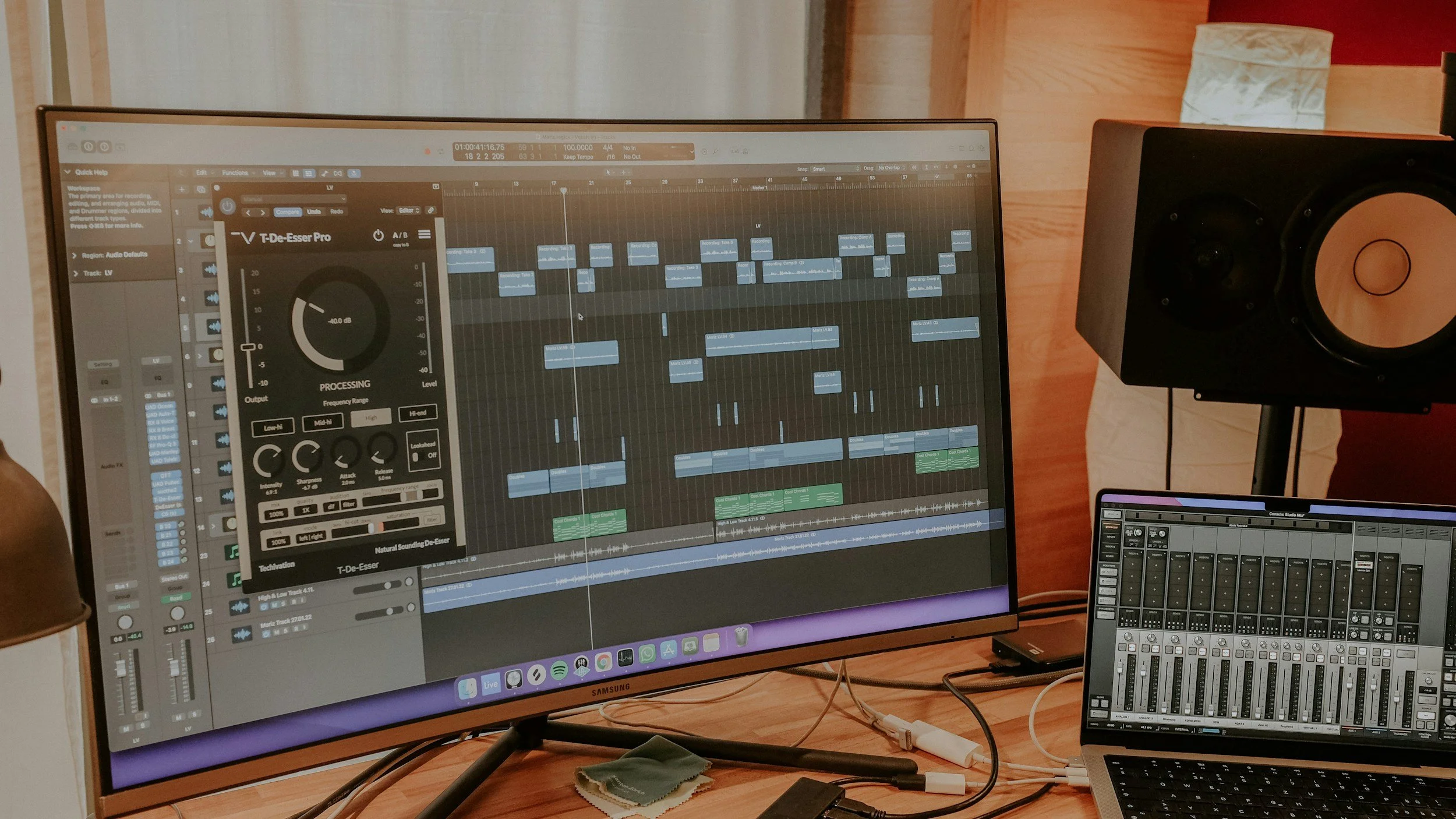
The voice acting demo is a strange creature. It's a finished audio product (more like a short produced piece than raw vocal performance), but it's produced by someone who's primarily a performer rather than an audio engineer. The skills required to deliver compelling vocal performances are not the same skills required to mix music underneath those performances, choose appropriate sound effects, edit audio for timing precision, or balance levels for professional output.
How to Build Your First Voice-Over Demo Reel (Without Rushing It and Ruining It)
Building a demo reel that actually gets you cast takes time, often several months from start to finish. That timeline scares people. They want to get their demo out there, start auditioning, start booking. I understand the urgency. But a mediocre demo reel doesn't just fail to help you. It actively works against you. Casting directors form impressions fast, and a demo that sounds amateur or unfocused tells them everything they need to know in the first ten seconds.