
Grammy-Award Finalist Topher Keene is widely regarded as one of America’s top Acting, Singing, and Public Speaking Coaches.
From teaching kids to sing their first solo, to helping Film and Television Stars perfect their roles, to helping pro Vocalists record hit albums, to helping YouTubers and Podcasters refine their vocal skills, to helping CEOs and Executives improve communication and presentation skills, Topher Keene can help anyone develop a powerful and confident voice and improve their performance skills.
Musical Theater Audition Monologues: Why Contrast Wins, and How to Build It Into Every Line
Most singers preparing for MT auditions pour the bulk of their work into the song. They pick a sixteen-bar cut, drill it, polish it, agonize over the belt or the high note, and then — almost as an afterthought — pull a monologue from a book the night before and rehearse it in the mirror a few times. It shows. The casting team can tell within twenty seconds which performers have actually trained their monologue work and which ones have memorized words.
The Self-Tape Setup That Casting Directors Want: Lighting, Sound, and Framing Mistakes Killing Your Auditions
The self-tape is the most common audition format in the industry now. For television, film, commercial work, even a growing portion of theater, the first round is no longer an in-person callback — it's a video you record at home and submit. Many roles get cast directly off that tape. The casting director never sees you in a room. The decision about whether you advance is made entirely on the basis of what they see and hear in the file you sent.

Stop Perfecting Your Characters: Why Flawless Performances Are Forgettable
The thing making your performances forgettable is probably how good they are.
Not good as in compelling. Good as in clean. Polished. Controlled. Every line delivered with precision. Every emotional beat hit right on cue. Every moment of the performance functioning exactly as designed.
That's the problem. You've gotten so focused on doing it right that you've squeezed all the humanity out of it.

Stop Playing One Emotion Per Scene: How to Color-Code Your Script and Deliver a Performance That Actually Lands
The actors who book work and hold attention on stage are the ones who understand that every scene is a cocktail of competing emotions, and the magic happens in the transitions between them. Here's the framework I use with my students to break that pattern.

Preparing a Monologue for a Film Audition: The Frameworks That Actually Help
The film audition monologue is a strange artifact. You're delivering material in isolation, often without a scene partner, often without context for the larger work, often through a phone camera in your living room. Yet this brief performance is what stands between you and the role. Whether you book the work depends on whether your monologue communicates that you're the right performer for the part.

Surviving a Three-Week Run: Vocal Health Strategies for Performers in Demanding Productions
The first time you're cast in a leading role with a multi-week performance run, reality sets in quickly. The audition was one performance. Maybe your callback added another. Then you booked the role and started rehearsals. By the time opening night arrives, you've been working the material for weeks. Then you have to deliver that material at full performance level, eight to twelve times across three weeks, while maintaining your job, your relationships, and your basic functioning as a human being.
Cold Reading for Actors: How to Make Strong Choices With a Script You've Never Seen
The cold read is one of the most exposing skills in acting, and one of the least practiced. You walk into a room, or open the email with sides attached, and you have anywhere from thirty seconds to twenty minutes to turn an unfamiliar piece of text into a performance. No preparation. No rehearsal. No coach to walk you through the beats. Just you, the page, and a casting team waiting to see what kind of actor you are when you can't lean on rehearsal.
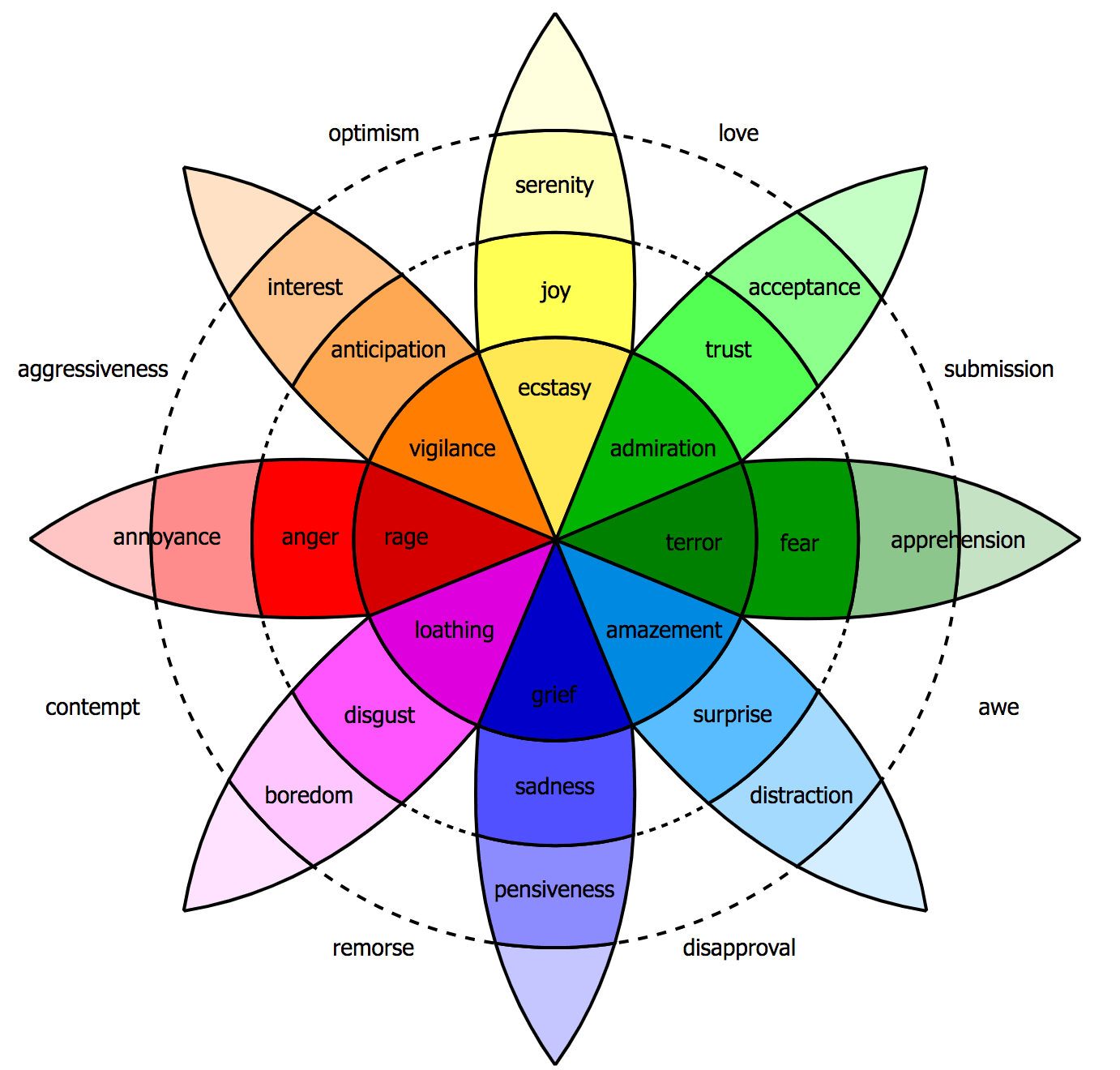
The Color Wheel Method: How to Add Emotional Depth to Voice Acting Performances
Most voice acting performances by developing actors share a common weakness: they hit one emotional note and stay there. The villain monologue is just angry. The vulnerable scene is just sad. The triumphant moment is just happy. Whatever the dominant emotion of the scene, the performer locks onto it and delivers a single-color version of the entire piece.

Stage to Screen: How to Adapt Your Performance for the Camera Without Losing Your Edge
You've spent years building your craft on stage. You know how to project to the back row. You know how to fill a space with your presence. You know how to deliver lines so a thousand people can feel the truth of what your character is experiencing. You're a stage actor.
Then you book a film role. Or a short. Or a commercial. Or a self-tape audition for an on-camera project. Suddenly the skills that have served you for years don't quite work the same way. Directors give you notes about being "too big" or "too theatrical." Your performance feels truthful to you but reads as performed to the camera. Something needs to shift, but the shift isn't obvious.

Ace Your Audition: The Complete Guide to Booking Work in Theater, Film, and Voice Acting
Auditions are strange. You spend months building your skills, refining your craft, and preparing material, and then your entire case for getting cast comes down to a few minutes in a room (or a self-tape sent into the void). It's high pressure, low feedback, and relentlessly ongoing.
Here's the good news: most of what makes the difference between auditions that book and auditions that don't isn't talent. It's preparation, professionalism, and a set of specific habits that most performers never get taught directly. The performers who book consistently aren't usually the most naturally gifted. They're the ones who treat auditioning as its own craft and develop the specific skills that craft requires.

Keeping Your Voice Alive: Vocal Health Tips Every Singer and Actor Should Know
Your voice is the only instrument you can't put down, replace, or take to a repair shop. Everything runs through it, every audition, every session, every performance, every late night rehearsal in a dry studio with recycled air and bad coffee. Most performers wait until something goes wrong to start taking care of it. Don't be that person. Build the habits now, before your voice reminds you the hard way that you've been neglecting it.
Here's everything I've picked up from years in the room with singers and actors who take this seriously.

Active vs. Descriptive Monologues: The Acting Tool That Will Transform Your Auditions
You've spent hours combing through monologue books, scrolling endless websites, and digging into plays trying to find the one. The monologue that finally lets you book the role. And even when you find something you think might work, there's this nagging feeling when you perform it that you're not doing enough. That something's missing. That you're technically delivering the words but not actually living in them.

Want to Be a "Triple Threat" in Musical Theater? Here's the Skill Most Singers Overlook
If you've ever sat in on a musical theater audition room, scrolled through casting calls, or talked to working performers about how they actually pay their bills, you've probably noticed something: the people booking the most work aren't always the best singers in the room. They're the most versatile ones.
In my studio, I spend a lot of time talking with students about the difference between being a great singer and being a great hireable singer. Those are two different things. And today I want to dig into two areas that can genuinely move the needle on your career: developing a fuller vocal toolkit (including the "ugly" sounds), and adding piano to your skillset.
Why Your Acting Feels Flat (And How to Add Emotional Color to Every Scene)
You've probably had this experience: you read a scene out loud, you hit all the words, you don't fumble a single line, and then you watch the playback and think... that was so boring.
You weren't bad. You were technically fine. But there was nothing happening underneath the words. No texture. No life. Just a person reading a script accurately.
This is the single most common plateau actors hit, especially in early training. The good news is it's not a talent problem. It's a toolkit problem. You haven't been given the specific techniques for adding emotional dimension to a performance. So today, I want to walk you through the frameworks I use with students who are stuck in monotone delivery and want to break out of it.
How to Self-Critique Your Own Audition Tapes Without Losing Your Mind
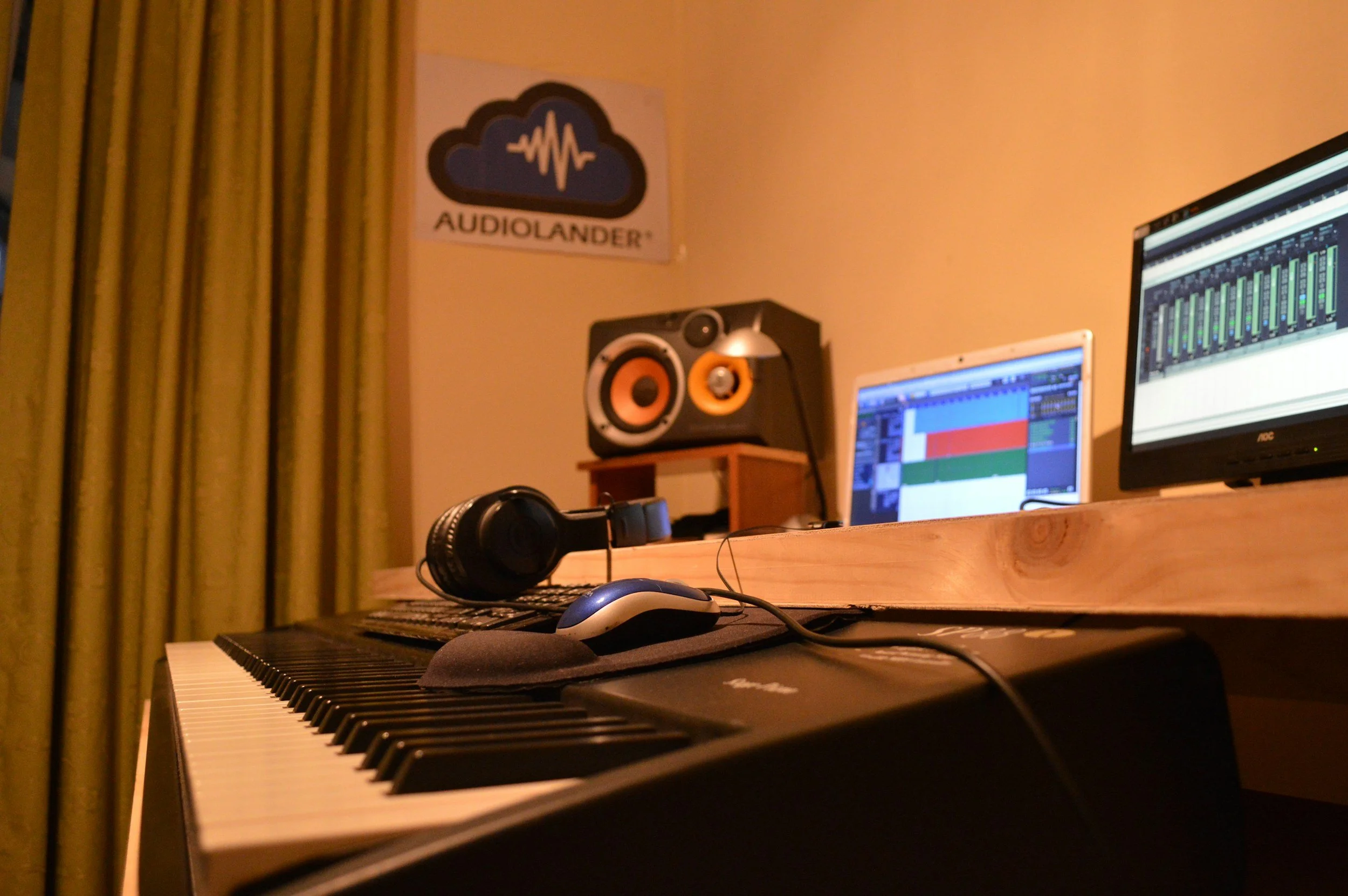
If there's one skill that separates voice actors who level up quickly from those who plateau for years, it's this: the ability to watch or listen back to your own auditions without crumbling, and then actually learn something useful from the experience.
Most performers hate this part. They either refuse to listen to their own recordings at all, or they listen once, hate everything, spiral into self-criticism, and never extract any actionable information from the review. Neither approach helps you grow.

The Working Actor's Guide to Agent Representation: From First Headshots to Long-Term Career Strategy
You've been booking work. Maybe student films, maybe small indie projects, maybe a notable production that put you on someone's radar. And now an industry contact says the magic words: "I'd like to introduce you to my agent."
This is the moment a lot of actors discover they're not actually ready. Their materials are amateur. Their online presence is patchy. Their sense of what agents want, how the relationship works, and what they're supposed to bring to the meeting is hazy at best.
Advanced Vocal Technique for Film and Television Actors
Film and television acting has the most counterintuitive vocal technical demands in the performing arts. The camera is intimate, the microphone is close, and the actor is asked to sound like a real person having a real conversation — while delivering scripted material, on cue, after eight setup hours. The technical work is not to project. It is the opposite. It is to scale down the trained instrument to conversational volume without losing the underlying support, freedom, and clarity that make the voice expressive at any scale.

Working In an New Original Play/Musical: What Performers Need to Know About New Productions
There's a particular kind of theater experience that's nothing like working on an established show. You're cast in a brand new original production. The script is being revised during rehearsals. The songs might change. The running order shifts. The director is figuring out the show in real time, often alongside the performers.
Some of the most exciting performance experiences happen in original productions. So do some of the most chaotic ones. And the skills required to thrive in that environment are different from the skills that serve you in established repertoire.

Self-Tape Audition Mastery: How to Submit Video Auditions That Actually Book Roles
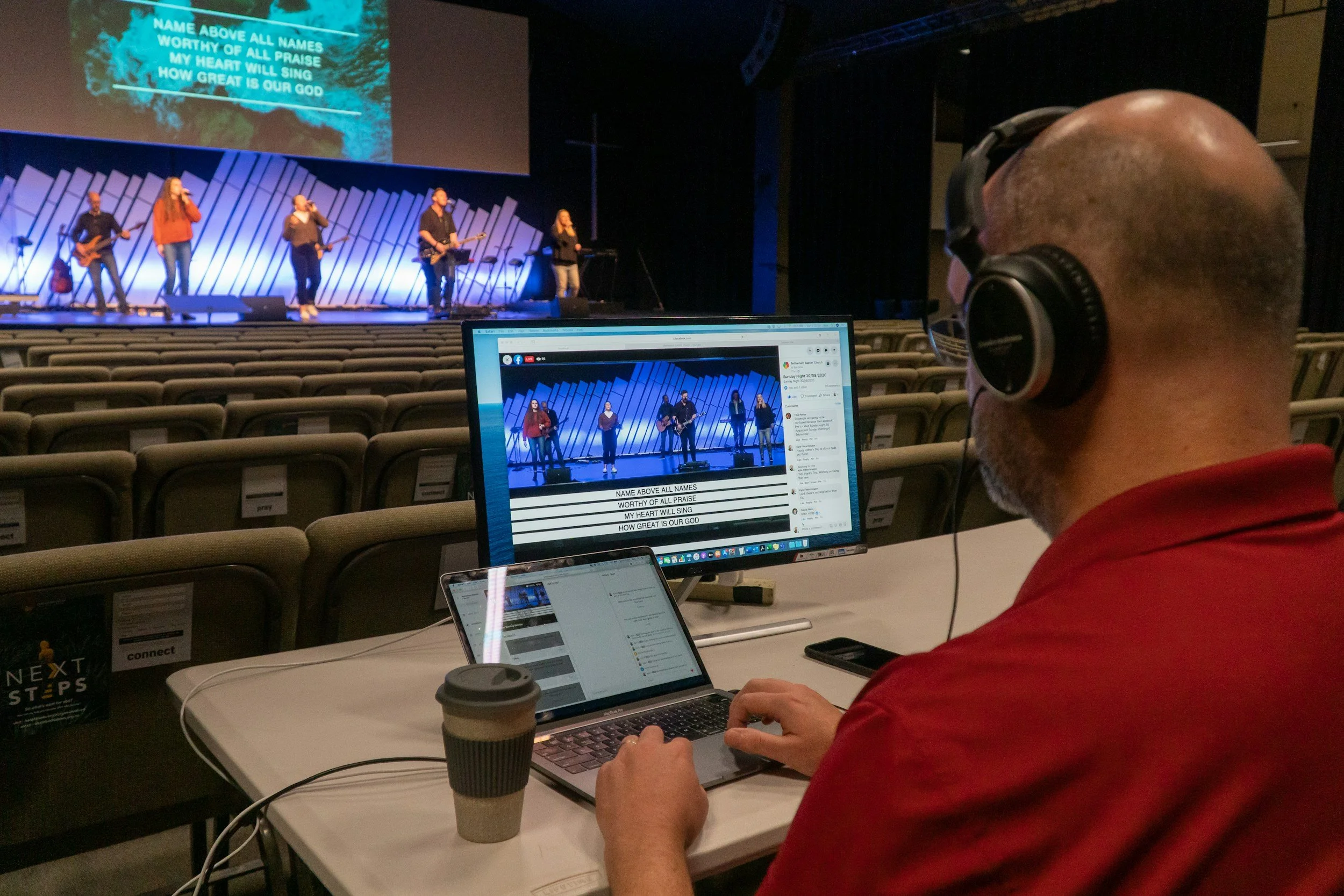
The video audition has become the standard entry point for most theater, film, and TV opportunities. The era of in-person initial auditions is largely over for many companies. What's replaced it is a workflow where you submit a video, casting reviews dozens or hundreds of submissions, and only a small percentage of submitters move forward to in-person callbacks.
This shift has changed the game in ways most performers haven't fully adapted to. The video audition has its own rules, its own pitfalls, and its own opportunities. The performers who understand the medium specifically have a significant advantage over those who treat it like a less-immediate version of an in-person audition.
The Open Casting Call: How Big Audition Opportunities Actually Work (And Why You Should Submit Anyway)
Every once in a while, an audition opportunity comes across your radar that feels almost mythical. A major studio is opening submissions to anyone who wants to apply. Disney is taking voice actor submissions. A network is doing open casting for a new show. The kind of opportunity that, in a previous era, would have required an agent, an industry connection, or a lucky break to even know about.