
Grammy-Award Finalist Topher Keene is widely regarded as one of America’s top Acting, Singing, and Public Speaking Coaches.
From teaching kids to sing their first solo, to helping Film and Television Stars perfect their roles, to helping pro Vocalists record hit albums, to helping YouTubers and Podcasters refine their vocal skills, to helping CEOs and Executives improve communication and presentation skills, Topher Keene can help anyone develop a powerful and confident voice and improve their performance skills.
Advanced Vocal Technique for Musical Theater Performers
Musical theater singing is the most technically demanding vocal discipline currently practiced at high volume on commercial stages. A modern musical theater performer is expected to belt like a pop singer in one show, sing legit operetta in the next, and switch styles within a single audition. That level of versatility is not natural. It is built through years of deliberate technical work, almost none of which is taught in standard college voice programs.

Lean Into the Cringe: How to Record a Voice Acting Demo That Actually Lands
Here's the secret of voice acting that nobody is going to put on a billboard for you: the moments that make you cringe are usually the moments that book the job.
The Three-Part Speech Structure: The Frame Every Great Talk Uses
Structure is the difference between a talk you remember and a talk you forget. And the structural principles behind the great talks you can call to mind — the keynotes, the TED talks, the toasts — are remarkably consistent across speakers, eras, and genres. Nancy Duarte spent years analyzing famous speeches, from Martin Luther King's "I Have a Dream" to Steve Jobs' iPhone launch, and found that they all use variations on the same core architecture. Aristotle wrote about the same architecture twenty-three centuries ago. The principles haven't changed because human attention hasn't changed.
Musical Theater Audition Monologues: Why Contrast Wins, and How to Build It Into Every Line
Most singers preparing for MT auditions pour the bulk of their work into the song. They pick a sixteen-bar cut, drill it, polish it, agonize over the belt or the high note, and then — almost as an afterthought — pull a monologue from a book the night before and rehearse it in the mirror a few times. It shows. The casting team can tell within twenty seconds which performers have actually trained their monologue work and which ones have memorized words.

Voice Acting Auditions: Why "Big" Doesn't Mean What You Think, and Why You Need to Submit More Than You Think
Voice actors who are early in your audition submission practice — anywhere from your first hundred auditions to your first thousand — there are two mistakes I see almost every developing voice actor make, and they're killing your progress in ways you probably don't see yet.

How to Find Your Mixed Voice: The Bridge Between Chest and Head Voice Every Singer Needs
Most singers spend years stuck in the same place. They've got a serviceable chest voice for the bottom of their range. They've got a head voice they can float through up top. But somewhere in the middle, the wheels come off. They yell up into chest until the cords give out, or they flip into a thin, breathy head voice that disappears in a band mix. The notes between those two registers — the most useful real estate in your entire voice — feel like a no-man's-land they're not allowed to enter.

The Singer's Guide to Building a Stronger Chest Voice (and the Daily Routine That Actually Works)
This is the single most useful thing you can do as a developing singer. Put your hand on your chest. Now, call out to an imaginary friend across the street: "Hey!" Feel that deep buzz in your chest? That's chest voice. That's the thyroarytenoid muscle doing its job. Heavy, thick, grounded.

How to Belt Safely: A Vocal Coach's Guide to Powerful High Notes Without Strain
Belting isn't a louder version of yelling. It's a coordinated mix with chest voice weight extended into your upper range, supported by breath and balanced by acoustic placement. That sentence is the entire framework. Everything else is execution.

What Smart Singers Do When Audition Season Slows Down
If you're a singer or musical theater performer, you know the rhythm: audition season heats up, you hustle, then everything goes quiet for a few months. Summer in a lot of markets — Phoenix included — can feel like a dead zone. Fewer shows going up, fewer calls coming in, and it's tempting to just coast until things pick back up in the fall.
Don't do that.

Stage Fright Isn't a Personality Flaw: A Vocal Coach's Playbook for Calming Your Nerves Before You Perform
There's an old study that gets cited in nearly every public speaking book ever written: more people are afraid of public speaking than are afraid of death. If they're at a funeral, they'd rather be in the casket than at the podium.
I have a related observation from twenty years of coaching singers, actors, speakers, and performers of every level. Singing is worse.

The Complete Guide to Preparing for Your Musical Theater Audition (From Someone Who's Seen Thousands of Them)
Auditions are a skill. Not a talent, not a gift, not something you either have or you don't — a skill. One that improves with practice, preparation, and repetition, just like singing or acting or dancing. The performers who book consistently aren't necessarily the most talented people in the room. They're the ones who've learned how to audition well, and that's a completely separate discipline from performing well.
The Self-Tape Setup That Casting Directors Want: Lighting, Sound, and Framing Mistakes Killing Your Auditions
The self-tape is the most common audition format in the industry now. For television, film, commercial work, even a growing portion of theater, the first round is no longer an in-person callback — it's a video you record at home and submit. Many roles get cast directly off that tape. The casting director never sees you in a room. The decision about whether you advance is made entirely on the basis of what they see and hear in the file you sent.

Stop Perfecting Your Characters: Why Flawless Performances Are Forgettable
The thing making your performances forgettable is probably how good they are.
Not good as in compelling. Good as in clean. Polished. Controlled. Every line delivered with precision. Every emotional beat hit right on cue. Every moment of the performance functioning exactly as designed.
That's the problem. You've gotten so focused on doing it right that you've squeezed all the humanity out of it.
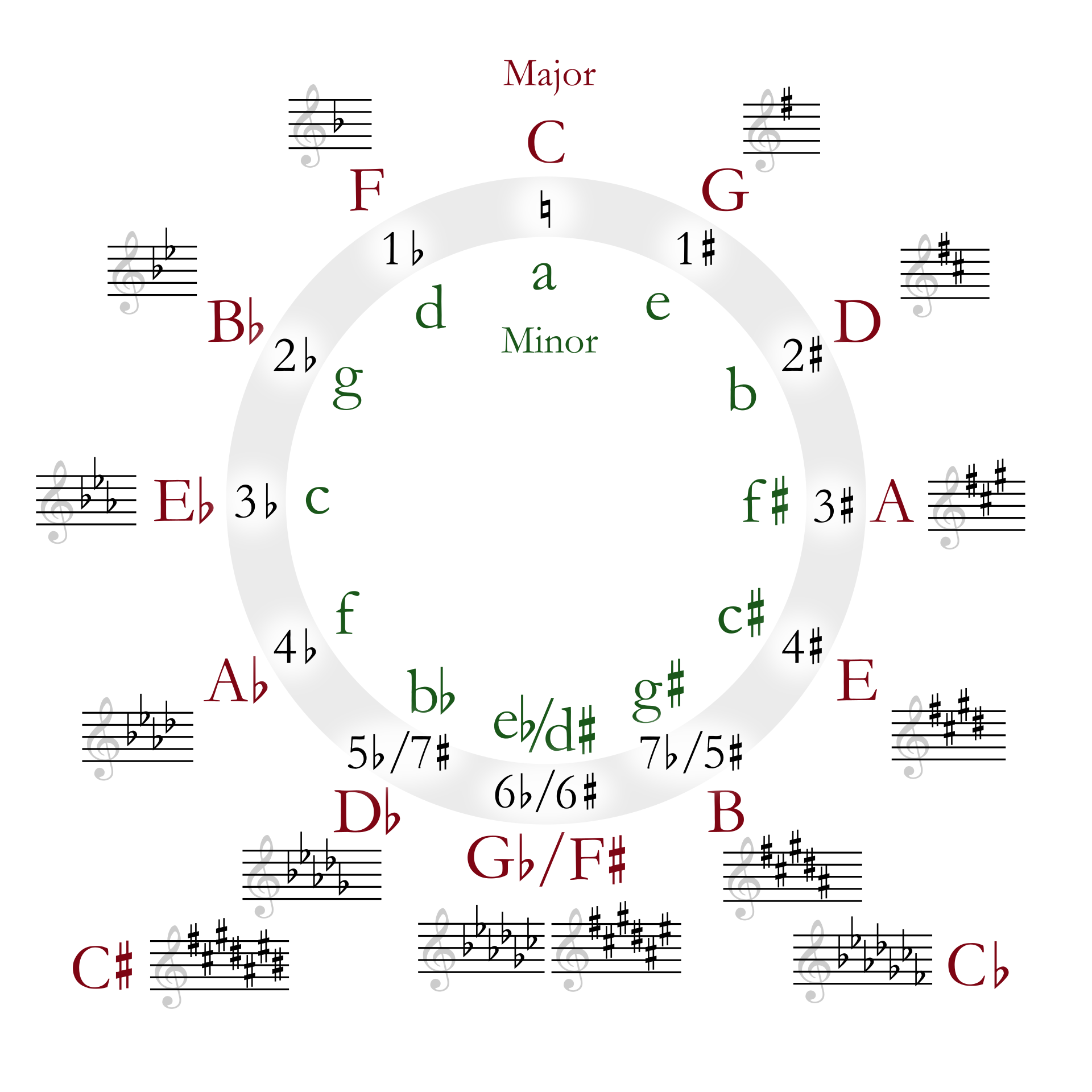
There's No "Right Key" for Your Voice — Here's How to Find the Best Key for Every Song
There is no single right key for you as a singer. You don't have one key that works for everything. You're not "a singer in the key of G." That's not how any of this works, and misunderstanding this concept holds more singers back than almost any other technical misconception I encounter.
What you have is a range. What every song has is also a range. Your job — every single time you approach a new piece of material — is to find the key where those two ranges overlap in the most comfortable, expressive, and vocally healthy way possible. And that key will be different for every song you sing.

Stop Playing One Emotion Per Scene: How to Color-Code Your Script and Deliver a Performance That Actually Lands
The actors who book work and hold attention on stage are the ones who understand that every scene is a cocktail of competing emotions, and the magic happens in the transitions between them. Here's the framework I use with my students to break that pattern.
How to Pick the Right 16-Bar Cut for Any Musical Theater Audition
If you've been to more than a handful of musical theater auditions, you've heard the same instruction. "Please prepare a 16-bar cut." Sometimes 32 bars. Sometimes a minute. Whatever the specified length, the meaning is the same: we don't have time to hear your whole song, and we want you to show us who you are in the smallest possible window.

Vibrato for Singers: Why It's Not Just a Technical Problem
If you've been chasing vibrato — watching tutorials, doing exercises, trying to manufacture that warm oscillation in your tone — I want to offer you a perspective shift that might save you months of frustration. Vibrato is often treated as a purely technical skill, something you build through specific drills and muscle training. And yes, technique matters. But in my experience coaching singers across styles, the biggest breakthroughs in vibrato almost never come from a new exercise. They come from something far less obvious.

Singing While Sick: What's Safe, What's Risky, and When to Cancel the Gig
Every working singer faces this dilemma eventually, and the stakes are real. You have a performance — a show, a wedding, a recording session, an audition — and you woke up sick. You've got a sore throat, or a head cold, or your voice sounds an octave lower than it should, or there's a deep cough you can't get rid of. You're now trying to make a decision in real time, often without the information you need to make it well: do I push through, or do I cancel?

Preparing a Monologue for a Film Audition: The Frameworks That Actually Help
The film audition monologue is a strange artifact. You're delivering material in isolation, often without a scene partner, often without context for the larger work, often through a phone camera in your living room. Yet this brief performance is what stands between you and the role. Whether you book the work depends on whether your monologue communicates that you're the right performer for the part.

Building a Home Voiceover Studio: The Three Pillars of Recording Quality
Sooner or later in your voiceover journey, you reach the moment of truth. You sit down in front of a microphone, hit record, and have to deliver. What you produce in that moment depends less on the gear than on something most beginners get wrong: the recording environment itself.
Here's the principle that matters more than any other when setting up your home studio: what your recording space looks like is irrelevant. What matters is how it sounds.